CRS Registration
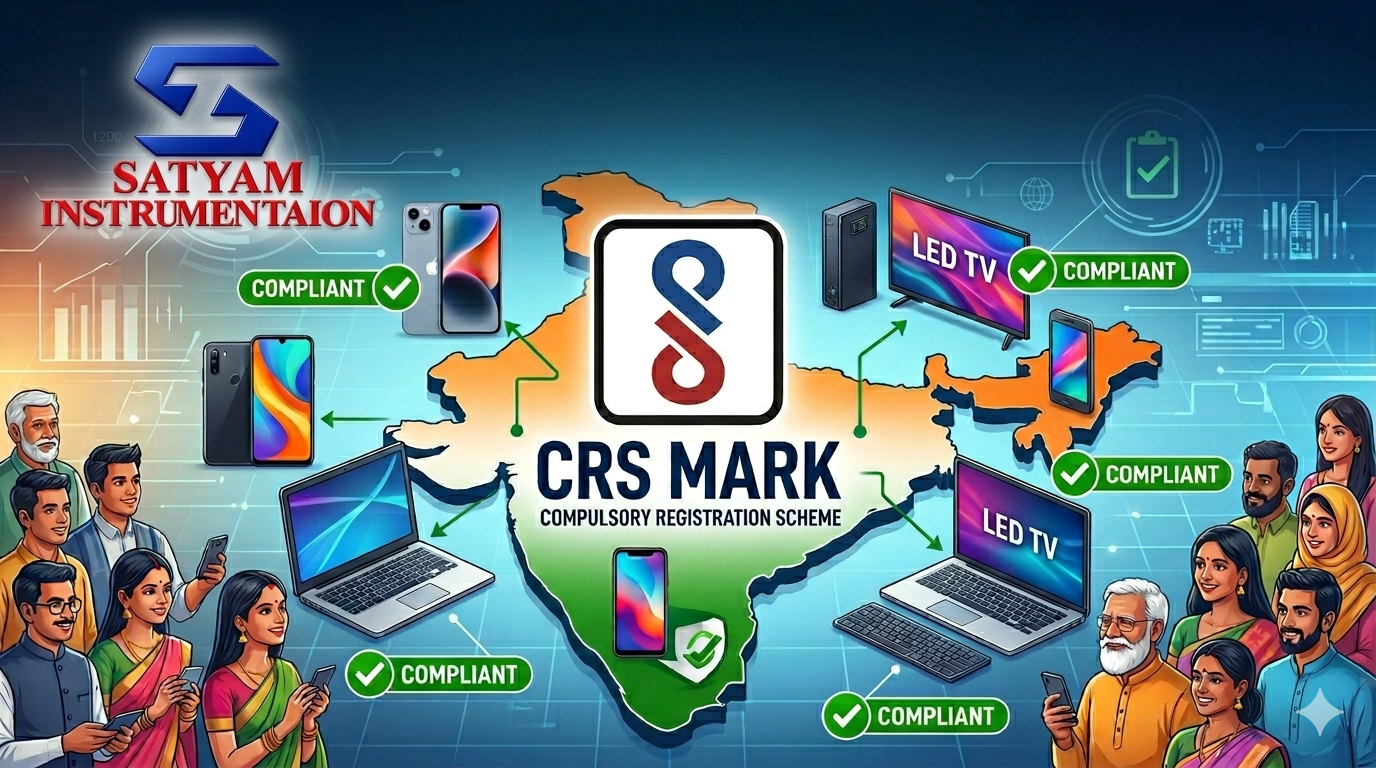
# Compulsory Registration Scheme (CRS) – BIS Registration for Electronic and IT Products
## Introduction
The Compulsory Registration Scheme (CRS) is a product certification program administered by the Bureau of Indian Standards (BIS) under the Ministry of Consumer Affairs, Food and Public Distribution, Government of India. Introduced in 2012, the scheme aims to ensure that electronic and information technology products sold in India meet prescribed safety and quality standards.
Under CRS, manufacturers are required to have their products tested in BIS-recognized laboratories and obtain BIS registration before they can be manufactured, imported, distributed, or sold in the Indian market. The scheme plays a crucial role in protecting consumers from unsafe and substandard products while promoting quality assurance and regulatory compliance.
Today, CRS certification has become mandatory for a wide range of electronic and IT products, making it an essential requirement for both domestic and foreign manufacturers seeking access to the Indian market.
## What is BIS CRS Registration?
BIS CRS Registration is a certification process through which manufacturers demonstrate that their products conform to the relevant Indian Standards specified by BIS. Once compliance is verified, BIS grants registration and authorizes the manufacturer to use the Standard Mark on the product.
Unlike the traditional ISI certification scheme, CRS is based on self-declaration of conformity supported by product testing and documentation. Manufacturers remain responsible for ensuring continuous compliance with applicable standards and regulations.
The registration is granted to the manufacturer rather than the importer, distributor, or retailer, making the manufacturer the primary applicant under the scheme.
## Objectives of the CRS Scheme
The Compulsory Registration Scheme was introduced with several important objectives:
* Ensuring consumer safety and protection.
* Preventing the sale of substandard electronic products.
* Promoting quality and reliability in the marketplace.
* Strengthening regulatory oversight of electronic and IT equipment.
* Supporting fair competition among manufacturers.
* Enhancing consumer confidence in certified products.
* Facilitating compliance with Indian safety standards.
By enforcing quality requirements, the scheme helps maintain high standards across the electronics industry while safeguarding public interests.
## Products Covered Under CRS
The list of products covered under CRS continues to expand as new categories are notified by the Government of India. Some commonly covered products include:
* Mobile phones
* Smartphones
* Laptops and notebooks
* Tablets
* Power adapters
* LED lighting products
* Smart watches
* Printers and scanners
* Set-top boxes
* Television receivers
* USB devices
* Power banks
* Wireless keyboards and mice
* Audio and video equipment
* CCTV cameras
* Rechargeable batteries
* UPS systems
* Electronic gaming devices
* Computer monitors
* Networking equipment
Manufacturers must verify whether their products fall under the notified categories before introducing them into the Indian market.
## Eligibility for CRS Registration
The following entities can apply for BIS CRS Registration:
### Domestic Manufacturers
Indian manufacturers producing electronic or IT products covered under the scheme.
### Foreign Manufacturers
Manufacturers located outside India intending to export products to India. Foreign manufacturers are required to appoint an Authorized Indian Representative (AIR) to coordinate with BIS on their behalf.
The registration is always granted to the manufacturer and not to importers or traders.
## CRS Registration Process
The BIS CRS registration process involves several stages designed to verify product compliance.
### 1. Product Identification
The first step is identifying the applicable Indian Standard and determining whether the product falls under mandatory CRS requirements.
### 2. Product Testing
Product samples are tested in BIS-recognized laboratories. Testing is conducted according to the relevant Indian Standard to verify compliance with safety and performance requirements.
### 3. Documentation Preparation
The manufacturer prepares and submits all required documents, including:
* Manufacturing license
* Business registration documents
* Factory address proof
* Product specifications
* Test reports
* Trademark documents (if applicable)
* Authorization documents
* AIR nomination documents for foreign manufacturers
### 4. Online Application Submission
The application is submitted through the BIS online portal along with supporting documents and prescribed fees.
### 5. BIS Review
BIS reviews the application, verifies documentation, and evaluates the test reports.
### 6. Grant of Registration
Upon successful verification, BIS grants registration and authorizes the use of the Standard Mark on the approved product models.
## Documents Required for CRS Registration
The exact documentation requirements may vary depending on the product category and applicant type. Generally, the following documents are required:
* Company registration certificate
* Manufacturing license
* Factory address proof
* Product technical specifications
* Product test report from BIS-recognized laboratory
* Trademark registration certificate
* Authorization letter
* Photo identification of authorized signatory
* AIR documentation for foreign manufacturers
* Product labeling details
Proper documentation significantly improves the efficiency of the registration process.
## Benefits of CRS Certification
Obtaining BIS CRS Registration offers numerous benefits to manufacturers and businesses.
### Legal Compliance
CRS certification ensures compliance with Indian regulatory requirements, helping businesses avoid penalties and market restrictions.
### Access to Indian Market
Manufacturers can legally import, distribute, and sell products across India.
### Enhanced Consumer Trust
Consumers prefer products that meet recognized safety and quality standards, leading to greater confidence and brand credibility.
### Competitive Advantage
Certified products gain a significant advantage over non-compliant products in the marketplace.
### Reduced Business Risk
Compliance minimizes the risk of product recalls, regulatory actions, and legal complications.
### Improved Brand Reputation
Certification demonstrates a commitment to quality and safety, strengthening the manufacturer's reputation.
## Validity and Renewal
BIS CRS Registration is generally granted for a specified period and may require renewal before expiration. Manufacturers must continue to ensure compliance with applicable standards throughout the registration period.
Any changes in product design, manufacturing process, factory location, or technical specifications may require BIS approval or additional compliance procedures.
## Importance of Professional Consultancy
The CRS registration process involves technical testing, documentation, regulatory compliance, and coordination with BIS authorities. Professional consultancy services help manufacturers navigate these requirements efficiently, reducing delays and minimizing the risk of application rejection.
Expert guidance ensures accurate documentation, proper product classification, laboratory coordination, and timely submission of applications, helping businesses obtain certification quickly and smoothly.
## Conclusion
The Compulsory Registration Scheme (CRS) is a vital regulatory framework that ensures the safety, quality, and reliability of electronic and IT products in India. By requiring manufacturers to comply with established Indian Standards, the scheme protects consumers while promoting excellence within the electronics industry.
Whether you are an Indian manufacturer or a foreign company planning to enter the Indian market, obtaining BIS CRS Registration is an essential step toward regulatory compliance, market access, and long-term business success. With proper planning, documentation, and professional support, manufacturers can achieve certification efficiently and confidently expand their presence in one of the world's fastest-growing consumer markets.
## Introduction
The Compulsory Registration Scheme (CRS) is a product certification program administered by the Bureau of Indian Standards (BIS) under the Ministry of Consumer Affairs, Food and Public Distribution, Government of India. Introduced in 2012, the scheme aims to ensure that electronic and information technology products sold in India meet prescribed safety and quality standards.
Under CRS, manufacturers are required to have their products tested in BIS-recognized laboratories and obtain BIS registration before they can be manufactured, imported, distributed, or sold in the Indian market. The scheme plays a crucial role in protecting consumers from unsafe and substandard products while promoting quality assurance and regulatory compliance.
Today, CRS certification has become mandatory for a wide range of electronic and IT products, making it an essential requirement for both domestic and foreign manufacturers seeking access to the Indian market.
## What is BIS CRS Registration?
BIS CRS Registration is a certification process through which manufacturers demonstrate that their products conform to the relevant Indian Standards specified by BIS. Once compliance is verified, BIS grants registration and authorizes the manufacturer to use the Standard Mark on the product.
Unlike the traditional ISI certification scheme, CRS is based on self-declaration of conformity supported by product testing and documentation. Manufacturers remain responsible for ensuring continuous compliance with applicable standards and regulations.
The registration is granted to the manufacturer rather than the importer, distributor, or retailer, making the manufacturer the primary applicant under the scheme.
## Objectives of the CRS Scheme
The Compulsory Registration Scheme was introduced with several important objectives:
* Ensuring consumer safety and protection.
* Preventing the sale of substandard electronic products.
* Promoting quality and reliability in the marketplace.
* Strengthening regulatory oversight of electronic and IT equipment.
* Supporting fair competition among manufacturers.
* Enhancing consumer confidence in certified products.
* Facilitating compliance with Indian safety standards.
By enforcing quality requirements, the scheme helps maintain high standards across the electronics industry while safeguarding public interests.
## Products Covered Under CRS
The list of products covered under CRS continues to expand as new categories are notified by the Government of India. Some commonly covered products include:
* Mobile phones
* Smartphones
* Laptops and notebooks
* Tablets
* Power adapters
* LED lighting products
* Smart watches
* Printers and scanners
* Set-top boxes
* Television receivers
* USB devices
* Power banks
* Wireless keyboards and mice
* Audio and video equipment
* CCTV cameras
* Rechargeable batteries
* UPS systems
* Electronic gaming devices
* Computer monitors
* Networking equipment
Manufacturers must verify whether their products fall under the notified categories before introducing them into the Indian market.
## Eligibility for CRS Registration
The following entities can apply for BIS CRS Registration:
### Domestic Manufacturers
Indian manufacturers producing electronic or IT products covered under the scheme.
### Foreign Manufacturers
Manufacturers located outside India intending to export products to India. Foreign manufacturers are required to appoint an Authorized Indian Representative (AIR) to coordinate with BIS on their behalf.
The registration is always granted to the manufacturer and not to importers or traders.
## CRS Registration Process
The BIS CRS registration process involves several stages designed to verify product compliance.
### 1. Product Identification
The first step is identifying the applicable Indian Standard and determining whether the product falls under mandatory CRS requirements.
### 2. Product Testing
Product samples are tested in BIS-recognized laboratories. Testing is conducted according to the relevant Indian Standard to verify compliance with safety and performance requirements.
### 3. Documentation Preparation
The manufacturer prepares and submits all required documents, including:
* Manufacturing license
* Business registration documents
* Factory address proof
* Product specifications
* Test reports
* Trademark documents (if applicable)
* Authorization documents
* AIR nomination documents for foreign manufacturers
### 4. Online Application Submission
The application is submitted through the BIS online portal along with supporting documents and prescribed fees.
### 5. BIS Review
BIS reviews the application, verifies documentation, and evaluates the test reports.
### 6. Grant of Registration
Upon successful verification, BIS grants registration and authorizes the use of the Standard Mark on the approved product models.
## Documents Required for CRS Registration
The exact documentation requirements may vary depending on the product category and applicant type. Generally, the following documents are required:
* Company registration certificate
* Manufacturing license
* Factory address proof
* Product technical specifications
* Product test report from BIS-recognized laboratory
* Trademark registration certificate
* Authorization letter
* Photo identification of authorized signatory
* AIR documentation for foreign manufacturers
* Product labeling details
Proper documentation significantly improves the efficiency of the registration process.
## Benefits of CRS Certification
Obtaining BIS CRS Registration offers numerous benefits to manufacturers and businesses.
### Legal Compliance
CRS certification ensures compliance with Indian regulatory requirements, helping businesses avoid penalties and market restrictions.
### Access to Indian Market
Manufacturers can legally import, distribute, and sell products across India.
### Enhanced Consumer Trust
Consumers prefer products that meet recognized safety and quality standards, leading to greater confidence and brand credibility.
### Competitive Advantage
Certified products gain a significant advantage over non-compliant products in the marketplace.
### Reduced Business Risk
Compliance minimizes the risk of product recalls, regulatory actions, and legal complications.
### Improved Brand Reputation
Certification demonstrates a commitment to quality and safety, strengthening the manufacturer's reputation.
## Validity and Renewal
BIS CRS Registration is generally granted for a specified period and may require renewal before expiration. Manufacturers must continue to ensure compliance with applicable standards throughout the registration period.
Any changes in product design, manufacturing process, factory location, or technical specifications may require BIS approval or additional compliance procedures.
## Importance of Professional Consultancy
The CRS registration process involves technical testing, documentation, regulatory compliance, and coordination with BIS authorities. Professional consultancy services help manufacturers navigate these requirements efficiently, reducing delays and minimizing the risk of application rejection.
Expert guidance ensures accurate documentation, proper product classification, laboratory coordination, and timely submission of applications, helping businesses obtain certification quickly and smoothly.
## Conclusion
The Compulsory Registration Scheme (CRS) is a vital regulatory framework that ensures the safety, quality, and reliability of electronic and IT products in India. By requiring manufacturers to comply with established Indian Standards, the scheme protects consumers while promoting excellence within the electronics industry.
Whether you are an Indian manufacturer or a foreign company planning to enter the Indian market, obtaining BIS CRS Registration is an essential step toward regulatory compliance, market access, and long-term business success. With proper planning, documentation, and professional support, manufacturers can achieve certification efficiently and confidently expand their presence in one of the world's fastest-growing consumer markets.